
Recognizing the Need for Help
Gambling problems don’t always show up as dramatic breakdowns. For most people, the slide is slow missed sleep, hidden losses, stretched credit, excuses that pile up. If you’re chasing a win that never seems to come, lying to people about how much you’re spending, or feeling anxiety when you’re not betting, that’s more than just a streak of bad luck. That’s a warning light.
Going it alone feels noble, but it rarely works. Problem gambling thrives in silence. Isolation makes it worse. The nature of addiction is that it twists logic tells you you’re in control when you aren’t. That’s why so many people find clarity only after talking to someone anyone outside their mental loop.
And then there’s the gambler’s mantra: “Just one more win.” That idea keeps people stuck. The next big play won’t undo the harm already done. It won’t fix relationships, bank accounts, or stress. It’s a trap that delays the real solution asking for help. The sooner you see through the myth, the sooner you get to rebuild without it.
The first step is spotting the pattern. The next is not walking it alone.
Professional Support Systems
If gambling has started to take over, talking to a licensed therapist or addiction counselor can make a real difference. These professionals aren’t there to judge you they’re trained to help untangle the behavior, triggers, and patterns behind compulsive gambling. With experience in addiction psychology, they’ll help you get honest about what’s going on, and chart out realistic options for moving forward.
Beyond individual therapy, there are gambling specific hotlines and rehab centers built for exactly this. Hotlines are available 24/7, often staffed by people who’ve been through gambling addiction themselves. They’re a low pressure way to reach out when everything feels loud and confusing. Inpatient and outpatient rehab programs are available too, for those who need a more structured reset.
So what’s a structured treatment plan actually look like? It’s practical, not vague. You’ll go through therapy, one on one or in groups. You’ll build new habits and understand the mechanics of addiction. You’ll set goals and track progress. And you’ll connect with others walking the same road. It’s not overnight and it’s not always easy, but it’s a process that works because it’s built on support, not shame.
Peer Networks and Community Groups
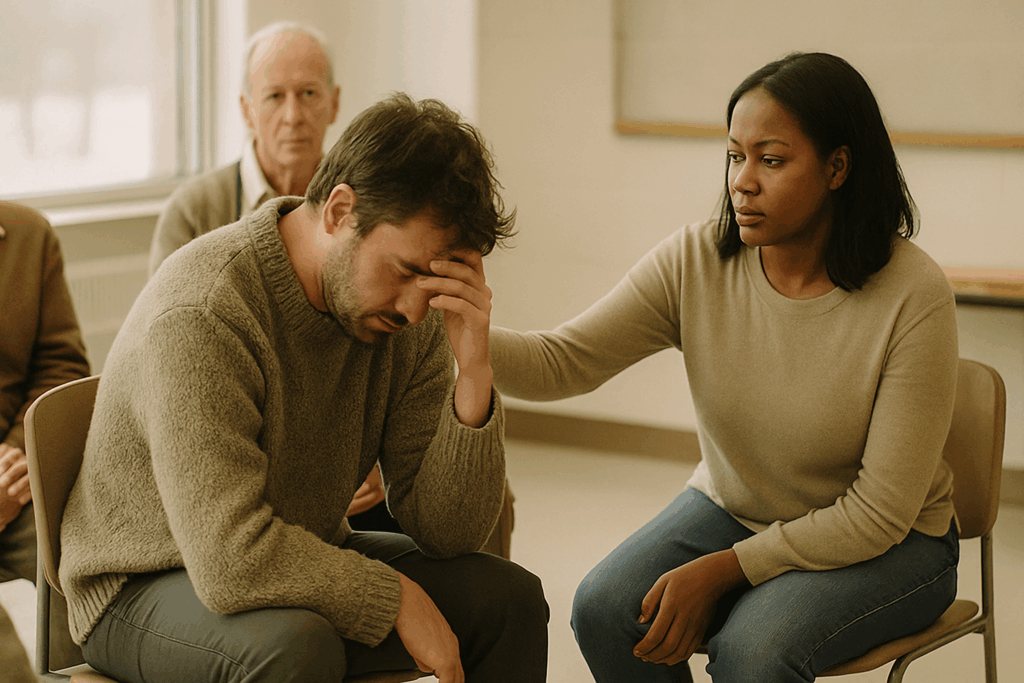
Fighting an addiction like gambling doesn’t happen in a vacuum. The shared experience of recovery sitting beside someone who’s been there has real weight. Group models aren’t about pity; they’re about accountability, connection, and forward motion. Whether it’s a weekly circle of chairs or a thread of ongoing messages in a group chat, simply hearing others say, “You’re not alone,” changes everything.
Gamblers Anonymous is a cornerstone for many. No lectures. No shaming. Just real people telling real truths, using a 12 step framework that’s helped countless folks over decades. Meetings are free, frequent, and judgment free. You walk in. You listen. Maybe you speak. That’s enough to start.
And if showing up in person feels out of reach? Online communities fill the gap. Forums, anonymous Discord servers, round the clock check ins these digital spaces hold people up when the urge strikes hardest. They’re always open. You can vent, reflect, or scroll silently, knowing someone else gets it. The bottom line: recovery works better together. These circles physical or virtual turn a solo fight into a team effort.
Support for Families and Loved Ones
Helping Without Enabling
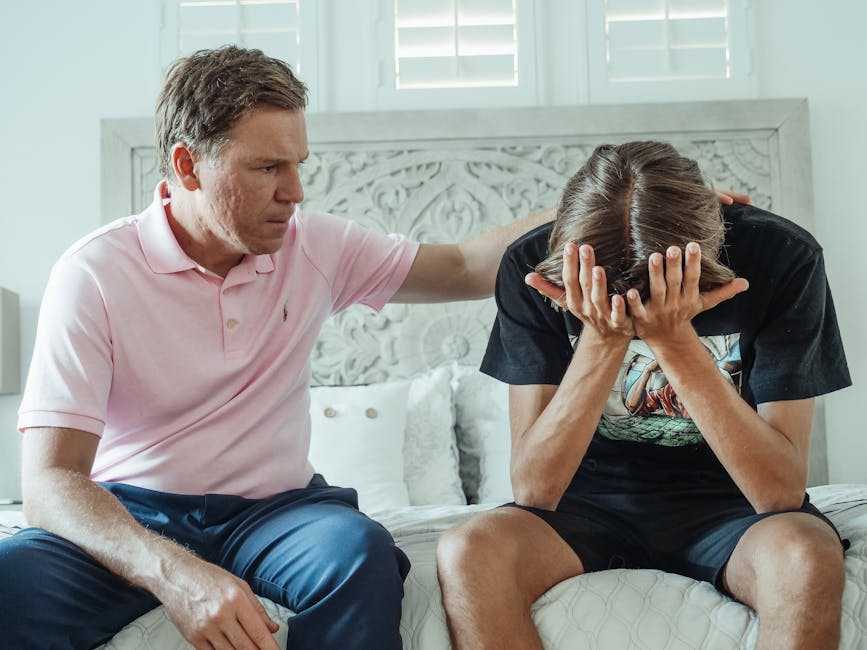
Families often walk a fine line between offering help and unintentionally enabling a loved one’s gambling habit. It’s not uncommon to step in financially or cover up the consequences to keep the peace but these actions can unintentionally prolong the problem.
Here are a few ways families can support without enabling:
Set clear boundaries: Avoid lending money or covering debts.
Offer emotional, not monetary, support: Be present, but firm.
Encourage professional help: Redirect energy toward therapy and support groups.
Facing the Emotional Toll
The emotional impact of gambling issues doesn’t stop with the gambler. Families often experience frustration, betrayal, and helplessness. These feelings are valid and must be acknowledged for healing to begin.
Common emotional challenges include:
Breakdown in trust
Anxiety over financial instability
Feelings of guilt or powerlessness
Where can families turn?
Family therapy sessions
Support hotlines specifically for loved ones
Community mental health centers
Learning Through Education
Understanding gambling addiction can empower families to respond more effectively. Education programs equip parents, spouses, and friends with strategies to cope, communicate, and maintain boundaries.
Recommended types of educational support:
Workshops for recognizing signs of addiction
Online courses or webinars from addiction professionals
Printed guides and podcasts focused on family dynamics in recovery
The more informed families are, the better they can become a source of steady, confident support without losing themselves in the process.
Tools for Reclaiming Control
For anyone stuck in the cycle of gambling, tools that create structure and limits can be a game changer.
Self exclusion programs let you voluntarily block access to betting platforms online or in person for a set time. Some regions offer centralized systems that cover multiple gambling providers at once. They’re not a silver bullet, but they give you friction, which can be enough to break the urge in a critical moment. Combine that with betting limits daily, weekly, or per wager and you’re putting speed bumps on a highway that usually has none.
Financial management coaching is another layer. Money is often the most visible casualty of gambling addiction, but coaching helps you rebuild a plan. It goes beyond budgeting it’s about retraining your relationship with spending, rebuilding trust in your decision making, and creating goals that don’t revolve around risk and reward.
Finally, mental health apps and habit trackers are quiet weapons in the recovery process. Tools like mood logs, impulse journals, and meditation reminders deliver daily accountability. When used consistently, they help turn big, abstract goals like “stay in control” into small, measurable steps.
All these tools work better when used together and when paired with support. But they give people something to hold onto while they steady themselves. That alone can be powerful.
Where to Start
You don’t have to figure it all out on your own. Whether you’re in the thick of a gambling problem or watching someone you care about spiral, there are people and resources ready to help without judgment or confusion. The first step is knowing where to look.
Check out these gambler support resources. They connect you to experienced counselors, trusted helplines, community based groups, and practical tools to start making changes. It’s grounded support that actually gets what this journey is like.
No pressure. No lectures. Just solid help when you’re ready.
Taking the First Step
Let’s get this straight it’s not about shame. It’s about finding support that works. Most people dealing with gambling problems don’t talk because they think they have to handle it solo. That silence only stretches the struggle. The truth is, recovery doesn’t follow a straight line. Some days feel like progress. Others don’t. But every step is a signal that things can get better.
And reaching out early? That’s not weakness. It’s leverage. The sooner you get help, the more options you have and the easier it is to rebuild. Whether you’re deep in it or just starting to slip, there’s no wrong time to ask for help. Because no matter how stuck you feel, you’re not alone in this.
If you’re ready, or even just curious, explore trusted support networks for gamblers and families. Real help is out there and it knows where you’re coming from.