
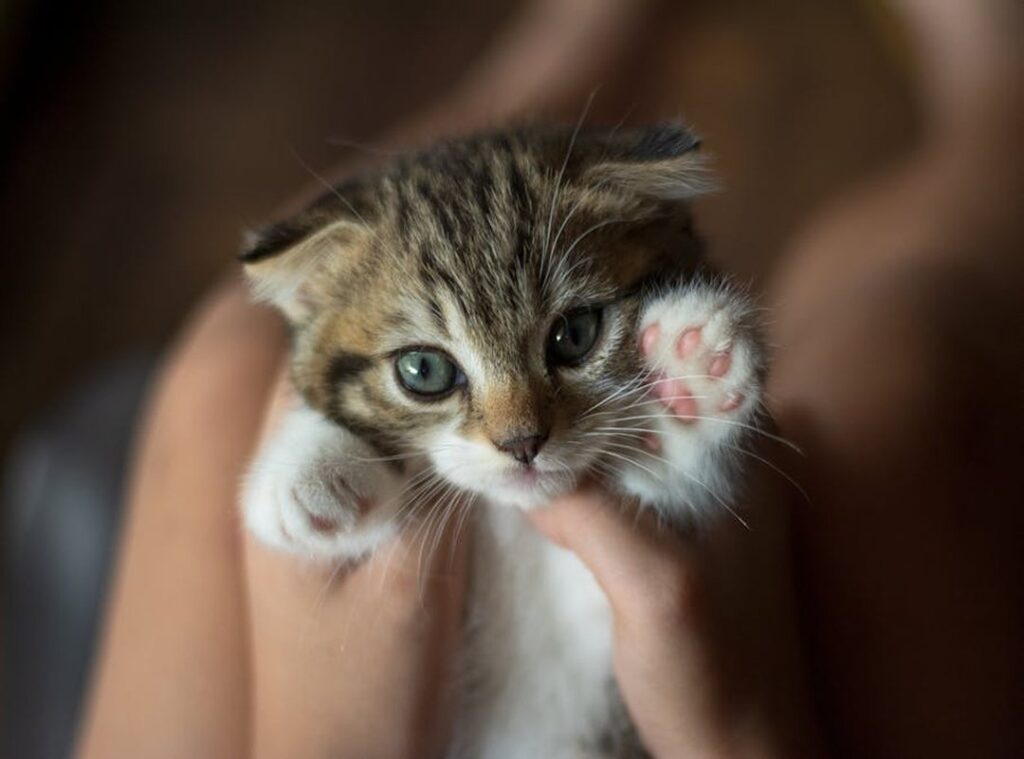
You might be wondering why I’m writing about this. Well, it’s a topic that’s both intriguing and a bit dark. Adolf Hitler had some pretty strong opinions on certain animals.
And no, I’m not talking about his love for dogs. I’m talking about the ones he didn’t like.
Why did hitler hate cats exactly? It’s a question that gets to the heart of his twisted worldview.
This article will dive into the specific animals Hitler disliked and the reasons behind his views. It’s based on real historical documents and expert analysis. So, if you’re curious, keep reading.
Hitler’s Views on Dogs: A Complex Relationship
Hitler had a soft spot for German Shepherds. He saw them as symbols of strength and loyalty, traits he valued highly. These dogs were often used in Nazi propaganda to represent the ideal Aryan qualities.
But his love for German Shepherds was just one side of the story. He had a strong dislike for other breeds, especially those he considered non-German or impure. This included smaller, more delicate breeds, which he viewed as weak and inferior.
Why did Hitler hate cats? That’s a different story, but it shows how his views on animals were deeply tied to his broader ideology.
His selective love and hate for different dog breeds can be traced back to his psychological need for control and purity. He wanted everything around him to fit a certain mold. This included his pets.
It was all about maintaining an image of strength and racial purity, even in something as simple as choosing a dog.
Hitler’s Hatred for Cats: Symbolism and Superstition
In early 20th-century Germany, cats carried a lot of cultural and superstitious weight. Some people saw them as symbols of good luck, while others viewed them with suspicion.
Cats were often linked to witchcraft and the supernatural. This made them a target for superstitions and fear.
Hitler’s hatred for cats was rooted in these beliefs. He associated cats with Jews and other groups he despised.
Why did hitler hate cats? It wasn’t just about superstition. He used these symbolic associations to fuel his propaganda and hatred.
Personal experiences might have also played a role. There are stories that suggest he had a traumatic encounter with a cat in his youth.
These experiences and the broader cultural context combined to shape his negative views on cats. Understanding this helps us see how deeply ingrained these beliefs were.
Hitler’s Disdain for Horses: Practical and Ideological Reasons

Hitler’s military background played a significant role in his preference for mechanized warfare. He saw traditional cavalry as outdated.
- Military Background: Hitler served in World War I, where he witnessed the limitations of horse-mounted units.
- Mechanized Warfare: He believed that tanks and other vehicles were more effective on the modern battlefield.
His disdain for horses reflected a broader shift towards modernization and industrialization in Nazi ideology. The Nazis aimed to create a technologically advanced and efficient state. This meant embracing new technologies and discarding old methods.
Why did Hitler hate cats? That’s a different story, but it shows how his views extended beyond just military matters.
Horses played a crucial role in World War I, but their effectiveness was limited by the new technologies of the time. Tanks and machine guns made cavalry charges increasingly dangerous and less effective.
This historical context influenced Hitler’s views. He wanted a military that could adapt and dominate with the latest technology. Traditional methods, including the use of horses, were seen as a hindrance.
In summary, Hitler’s dislike for horses was both practical and ideological. It was about moving forward and leaving the past behind.
Hitler’s Views on Pigs: Cultural and Racial Prejudices
In German society, pigs were often seen with a mix of cultural prejudice. They were viewed as dirty and unclean, which aligned with Nazi racial theories.
Hitler’s views on pigs were deeply intertwined with his broader racist ideologies. He believed in the concept of racial purity, and anything that didn’t fit this ideal was considered inferior.
Why did hitler hate cats? It’s a different story, but it shows how he projected his prejudices onto various animals.
Pig imagery was a common tool in Nazi propaganda. They used it to dehumanize and demonize certain groups, like Jews and other minorities. This made it easier to justify their persecution and mistreatment.
Understanding these connections helps us see how deeply rooted these prejudices were. They weren’t just about animals; they were a way to enforce and spread harmful racial ideologies.
Hitler’s Negative Views on Other Animals: A Broader Perspective
Hitler had negative views on various animals, not just cats.
Rabbits, for instance, were often seen as pests. He associated them with overpopulation and destruction of crops.
Certain birds, like pigeons, also faced his disdain. He viewed them as carriers of disease and a nuisance in urban areas.
Why did hitler hate cats? It’s part of a broader pattern.
He often linked animals to perceived enemies or impurity.
- Rabbits: Seen as pests and a threat to agriculture.
- Cats: Associated with uncleanliness and Jewish people.
- Birds: Considered disease carriers and urban nuisances.
These associations reveal a deeper, more complex set of beliefs.
Understanding these patterns can help us see the broader context of his views.
It’s not just about the animals; it’s about the symbolism and the perceived threats they represented.
The Significance of Hitler’s Animal Views
Hitler’s negative views on certain animals, including cats, were influenced by a mix of cultural, ideological, and personal factors. Why did hitler hate cats? This question delves into his belief that cats embodied traits he despised, such as independence and unpredictability.
These views were also shaped by broader Nazi ideologies that emphasized purity and control. Understanding these perspectives provides deeper insights into his broader ideologies and the impact on his policies. Reflecting on these views highlights their relevance to understanding both historical and contemporary issues.