
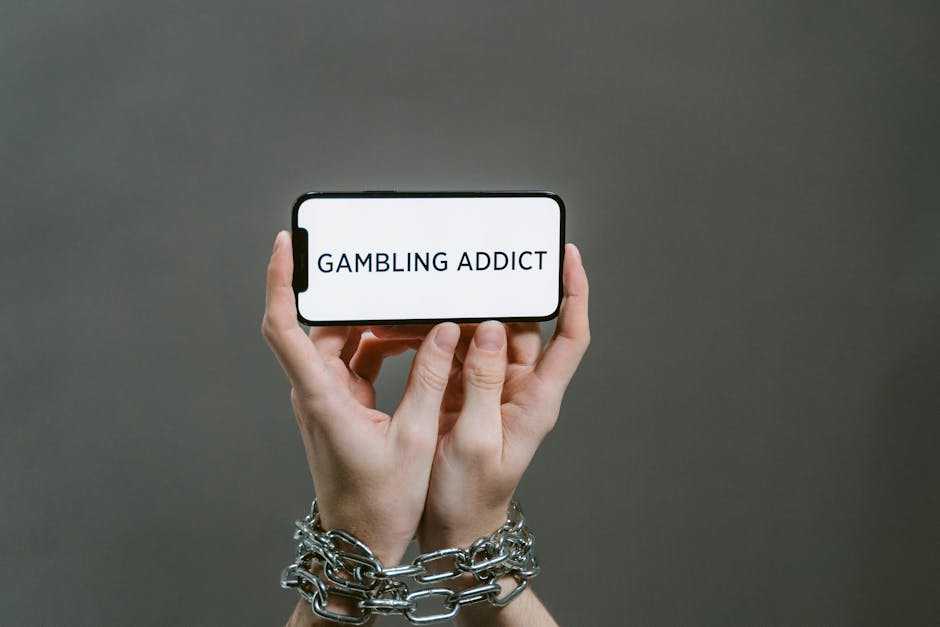
What Problem Gambling Actually Looks Like
Problem gambling isn’t just someone blowing their paycheck at the casino. It’s about behavior patterns that spiral past control. At its core, it’s when gambling starts interfering with important aspects of life work, relationships, mental health and yet, the person can’t seem to stop.
Some of the clearest red flags? Chasing losses is a big one. That’s when someone keeps gambling, thinking they can win back what they’ve lost. It rarely works out. Lying about bets, hiding bills, skipping responsibilities those are signs something deeper’s going on. Moody swings tied to wins and losses are another clue. One big hit and they’re elated, the next day they’re down bad and unreachable.
Not all gambling is a problem. Plenty of people toss a few bucks at sports bets or poker nights and walk away unchanged. The difference lies in control and consequence. A casual gambler can stop. A disordered gambler feels trapped. Drawing that line matters because spotting it early gives people a shot at turning things around before it gets worse.
Root Causes Behind the Behavior
Understanding why problem gambling happens is key to effectively addressing it. While no two individuals follow the exact same path, recurring patterns in psychology, environment, and emotional triggers reveal how deeply rooted this behavior can be.
Psychological Drivers: Risk and Reward
Gambling taps into the brain’s reward system with potentially dangerous results.
Risk taking behavior: Some individuals are naturally drawn to high stakes environments, where unpredictability offers a rush.
Dopamine hits: Each win however small releases dopamine, the feel good chemical, reinforcing the urge to keep playing.
The illusion of control: Many gamblers believe they can “beat the odds” through skill or intuition, which fosters a false sense of hope.
Societal Influences: A Culture of Easy Access
Modern society makes gambling more pervasive and more normalized than ever before.
Constant accessibility: Online gambling platforms make betting available 24/7 from any device.
Aggressive advertising: Targeted ads, especially on social media, blur the line between entertainment and addiction.
Tech driven temptation: Personalized algorithms and push notifications keep users engaged, often reinforcing impulsive behavior.
Emotional Triggers: Coping Through Gambling
Gambling often offers temporary emotional relief but the cost is high.
Stress relief: Some turn to gambling as a distraction from personal or financial pressures.
Boredom: With nothing else stimulating or engaging, gambling can feel like an easy thrill.
Loneliness: The sense of connection, especially in online communities or casinos, can appear comforting, even if it’s artificial.
Recognizing these root causes isn’t about assigning blame it’s about identifying where support, intervention, or boundaries can make the biggest impact.
Consequences Beyond the Wallet
When people think of problem gambling, they often zero in on financial losses. While money problems are a serious and immediate concern, they only scratch the surface of the damage gambling dependence can cause.
More Than Financial Losses
Problem gambling can lead to, or worsen, a wide range of personal and social issues:
Strained relationships: Repeated lying, financial stress, and emotional instability can seriously damage trust with loved ones. Partners and family members often report feeling betrayed or isolated.
Career consequences: Distracted focus, absenteeism, or using work time and resources to gamble can lead to disciplinary action or job loss.
Mental health decline: Problem gamblers face elevated rates of anxiety, depression, and even suicidal ideation. The cycle of guilt, shame, and desperation creates a relentless emotional toll.
Why Early Intervention Matters
The longer problem gambling goes unaddressed, the deeper the damage. Delayed action often leads to irreversible harm not just financial, but also emotional and psychological.
Early recognition, paired with real and accessible help, is key to preventing long term fallout. The sooner someone takes the first step, the more options and support they will have to rebuild not just their finances, but their life overall.
What Real Help Can Look Like

Problem gambling isn’t just a personal challenge it’s one that requires honest reflection and structured support. There’s no one size fits all solution, but there are clear steps that make a difference.
Step One: Self Awareness
Understanding there’s a problem is the first and most vital move toward change. Many who struggle with gambling don’t realize the extent of their behavior until negative consequences pile up. Early self recognition can help avoid further personal and financial damage.
Key questions a person might ask themselves:
Do I feel anxious or guilty after gambling?
Am I betting more frequently or in higher amounts?
Have I lied to others about how much I gamble?
If the answer to any of these is yes, it’s time to take a closer look.
Counseling and Therapy Options
Getting professional help can be a turning point. Therapy isn’t just for people with “severe” cases it’s for anyone ready to understand their behavior and replace unhealthy patterns.
Types of support available:
Individual therapy: A one on one setting to work deeply on triggers, emotions, and thought patterns
Group therapy: Connecting with others who understand the experience can reduce feelings of isolation
Addiction specialists: Therapists trained specifically in gambling disorders often offer targeted strategies for change
Combining approaches often yields the best results, especially in the early stages of recovery.
Involving Family and Support Networks
It’s not easy to talk about gambling issues with those close to you but honest conversations can lead to lasting support. In fact, family involvement often plays a crucial role in long term recovery.
Effective ways to include family and friends:
Be transparent about struggles, not just outcomes (e.g., debts or losses)
Ask for help setting boundaries around time and money
Include loved ones in therapy sessions or support groups when appropriate
The goal is to create an environment where accountability and encouragement coexist, reducing feelings of shame and increasing the chances of sustained progress.
Practical Tools That Actually Work
Fighting problem gambling isn’t about relying on willpower alone it’s about structure, awareness, and creating distance when needed. Start with the basics: tracking. Budgeting tools and gambling diaries aren’t flashy, but they work. Write down how much you’re spending, how often you’re playing, even how you felt each time. Seeing it in black and white can be a reality check. Patterns emerge. Triggers become clearer. It’s hard to fix a problem you can’t quantify.
Next move? Cut off easy access. Apps and websites can be blocked with software that limits your exposure. Out of sight might not solve everything, but it gives your brain a break from temptation. It lowers the friction between intention and action.
And when lines are blurred, self exclusion programs add structure where willpower falls short. You can voluntarily ban yourself from online gambling most jurisdictions support this now. It makes relapsing harder, not impossible, but that breathing room is sometimes all you need to reset. Here’s where to start: self exclusion programs.
The Role of Self Exclusion Programs
Self exclusion programs are pretty straightforward: you voluntarily block yourself from gambling platforms for a set period of time. Think of it like putting up fences before you even feel the urge to run. Whether it’s at a casino, sportsbook, or online site, once enrolled, access gets cut off either digitally or on site.
These programs work best for people who recognize the slippery slope they’re on. If gambling is starting to take priority over family, work, or your financial safety net, that’s the red flag. Self exclusion isn’t a magic solution, but it can buy crucial breathing room a hard pause that creates space for other recovery steps to take root.
What can you expect after signing up? First: the relief of putting a physical stop in place. Second: some friction. Not all platforms are covered, and you’ll still need support to manage urges. But when paired with counseling, budgeting, and accountability, self exclusion can help shift momentum in the right direction.
You can learn more about how these programs work and where to get started here: self exclusion programs.
Getting to a Better Outcome
Recovery from problem gambling isn’t a fantasy it’s happening every day. Real people are taking real steps to turn their lives around, often after years of struggling in silence. From young professionals to retirees, the common thread is that change started with honesty and one small decision at a time. The stories aren’t dramatic. They usually begin with a quiet moment someone noticing the pattern, adding up the damage, and deciding enough is enough.
What keeps people on track? It’s not willpower alone. Long term change is built on clear routines, support systems, and cutting off easy access to triggers. Some journal. Some start new hobbies that use the same rush in better ways. Many attend weekly check ins whether it’s meetings, therapy, or small accountability circles. The key is consistency, not perfection.
Don’t think of it as quitting for a week or going cold turkey. This isn’t about punishment. It’s about regaining control financially, mentally, emotionally. Switching the narrative from “I can’t gamble” to “I choose better” makes the difference. Recovery isn’t rare. It’s reachable. And it’s worth it.